










$90-$250/hr legal and counsel work, on your schedule
Review a model's contracts and briefs the way you would review a first-year associate's draft. Catch the clause that creates liability, the misread holding, the citation that does not exist.
Trusted by top research companies








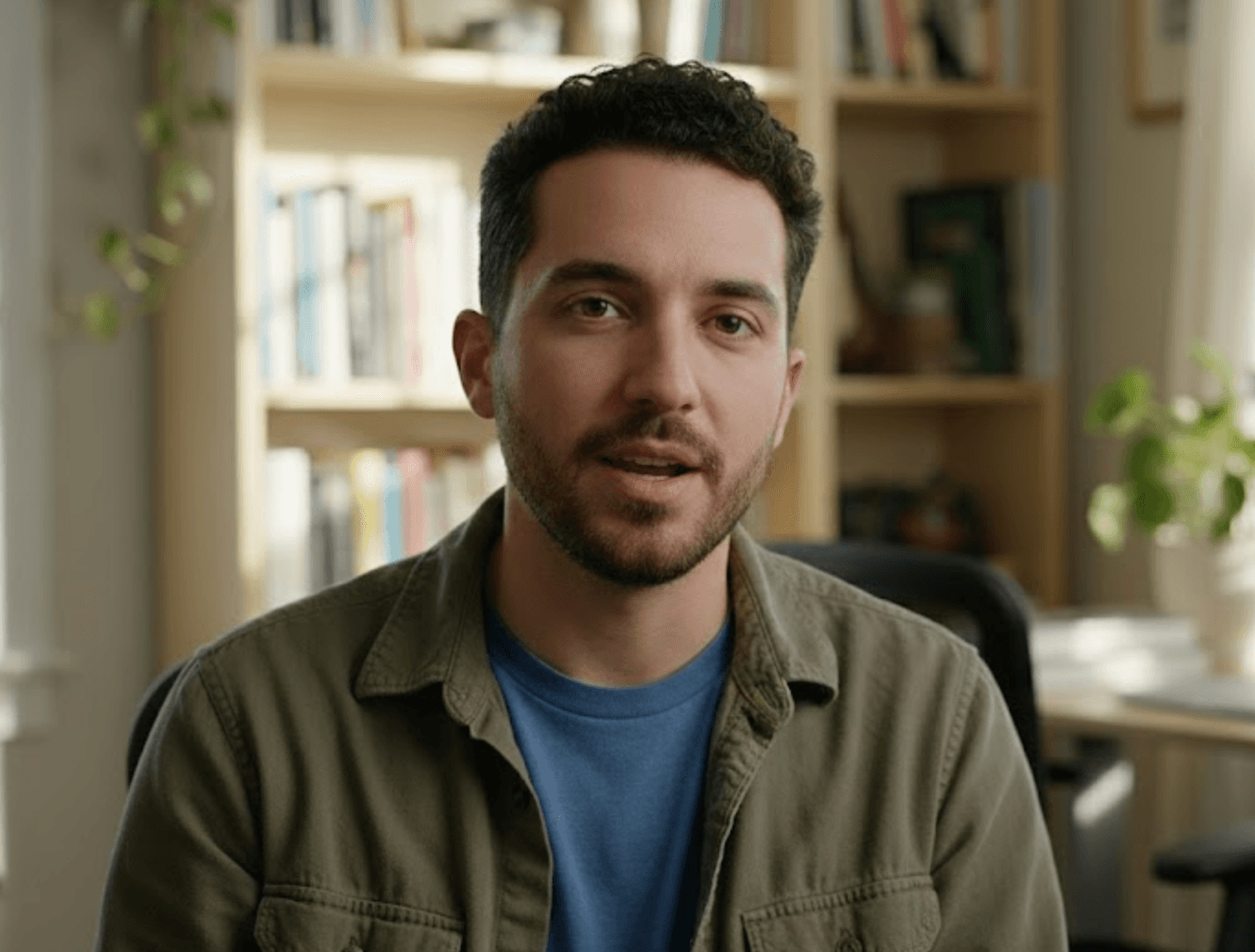
Hi, we're Zac and Jack, the founders of Terac. We want to talk to you directly, because you are the most important part of what we're building.
Terac is a community of experts. People who have spent years getting good at something specific and hard. The world is about to need more of you, not less. As AI takes on more of the world's work, the bottleneck shifts to the people who actually know what they're talking about.
Expert labor is the rarest resource in the world right now, and it is shockingly hard to find. The companies that need a litigator's eye on a flawed argument spend weeks chasing people, paying placement fees, and settling for whoever is available. Meanwhile thousands of qualified people are sitting with knowledge that no one ever asks for.
That gap is what we're here to close. Every project that lands on Terac is routed to the people who actually know the answer, on their schedule, paid fairly, and only when the work is verified. No middleman taking a cut of your time. No vague gigs. No chasing checks.
We care about every single person in this community. If you join Terac, you're not a row in a database to us. We read the feedback. We answer the emails. We will fight for you when a customer is being unreasonable, and we will be honest with you when something on our side is broken. The quality of this panel is our entire company, and we owe you a serious bar.
If you've made it this far, here is what we're asking: claim your profile. Put your expertise on the record. Let the world's most ambitious teams come find you for the work only you can do.
Lawyers questions
Still curious? Write to us at support@terac.com.
Narrow specializations are often what we need most. Models struggle precisely in doctrine-dense areas like Chapter 11 restructuring, removal proceedings, or ERISA, where a specialist catches errors a generalist would miss. If your sub-specialty maps to an active use case, expect more work, not less.
No. What matters is the depth of your reasoning and your ability to judge whether an output applies doctrine and precedent correctly in your area. Inactive, retired, and single-state attorneys are welcome. Jurisdiction-specific tasks are flagged with the relevant state so you can self-select.
No task involves advising a real party with real stakes. You evaluate AI legal reasoning, you do not represent anyone. The work is closer to a law review annotation or grading a bar exam than practicing law, so Model Rules 1.7 and 1.18 do not attach.
Mostly AI-drafted contract clauses, motion arguments, statutory analyses, memos, and case summaries, judged for accuracy and sound reasoning. You may also write worked examples showing how you analyze a fact pattern under a given standard, such as McDonnell Douglas or Chevron, so the model learns your process.
Yes. List your J.D., any LL.M. or S.J.D., bar admissions, and areas of concentration on your profile. Tasks route to matching credentials, so an LL.M. in Taxation points you toward IRC provisions, partnership allocations, or transfer pricing rather than general tort or contract work. Specialized credentials expand your task pool.
Why your expertise matters
Legal AI cites a holding without catching that it was overruled, drafts a clause that quietly creates liability, and reads a statute past the procedural bar that kills the claim. Spotting that takes a practicing attorney, not a benchmark. Your corrections teach these tools the gap between sounding right and being right.
How pay works
Top of the $90-$250/hr band goes to deep specialists in federal litigation, tax, IP prosecution, or securities, where AI errors are hardest to catch. Work is remote and hourly, paid only after your deliverable is verified. No billable minimums, no commitments. Take tasks around your practice.
What the work looks like
A sample of the legal and counsel work you would pick up. Every project is scoped, remote, and paid on verified completion.
- Review an AI-drafted demand letter and flag where it misstates the elements of the claim or cites non-controlling authority.
- Check a model's summary of a merger agreement for whether it characterizes conditions precedent, MAC definitions, and termination rights correctly.
- Score AI answers to a sentencing hypothetical against the U.S. Sentencing Guidelines, noting wrong offense-level calculations.
- Write a worked Rule 12(b)(6) analysis for a fact pattern, annotating each step so a model learns how a litigator builds the argument.
- Judge whether a model's privilege log entry correctly invokes attorney-client privilege or work-product doctrine, and explain the gaps.
- Find the jurisdictional and choice-of-law errors in an AI-drafted operating agreement for a Delaware-formed, California-operating LLC.
Specialties we match
Lawyers projects span a wide range of focus areas. Tell us where you go deep and we route the work that fits.
- Federal civil procedure (FRCP)
- Contract drafting and redlining
- Statutory and regulatory interpretation
- Legal research (Westlaw, Lexis, Fastcase)
- Appellate brief structure
- M&A due diligence
- Intellectual property prosecution
- Securities regulation (Securities Act, Exchange Act)
- Criminal law and sentencing guidelines
- Privilege and confidentiality analysis
- Legal ethics and professional responsibility (MRPC)
- Cross-border / conflict-of-laws analysis