






$60-$150/hr pharmacy and medication therapy work, on your schedule
Review AI-drafted dosing, interaction checks, and therapy plans the way you'd verify an order before it reaches a patient: catch the contraindication, the renal-dose miss, the duplicate therapy. Fully remote, a few hours a week, paid per task.
Trusted by top research companies








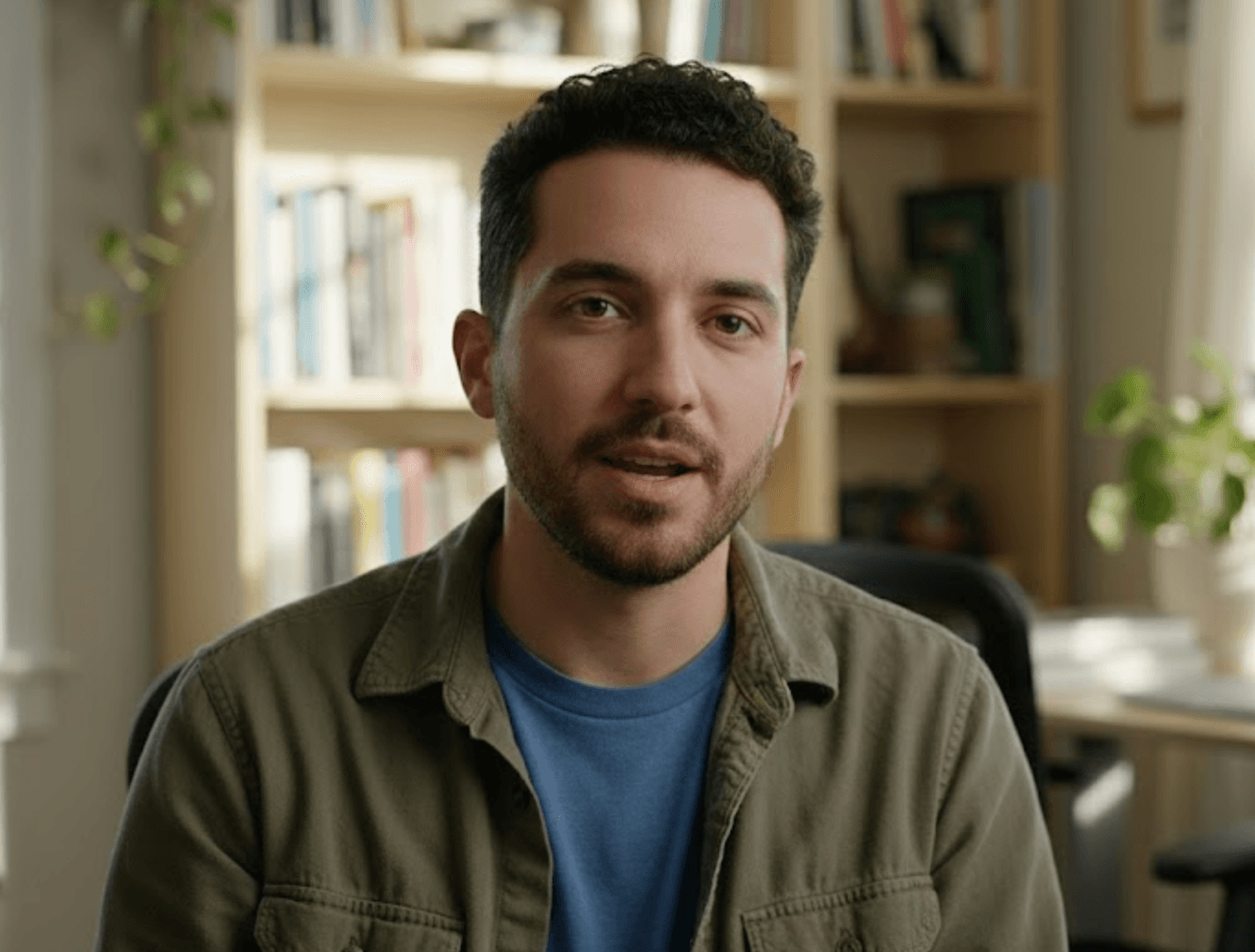
Hi, we're Zac and Jack, the founders of Terac. We want to talk to you directly, because you are the most important part of what we're building.
Terac is a community of experts. People who have spent years getting good at something specific and hard. The world is about to need more of you, not less. As AI takes on more of the world's work, the bottleneck shifts to the people who actually know what they're talking about.
Expert labor is the rarest resource in the world right now, and it is shockingly hard to find. The companies that need a clinical pharmacist's eye on a dangerous interaction spend weeks chasing people, paying placement fees, and settling for whoever is available. Meanwhile thousands of qualified people are sitting with knowledge that no one ever asks for.
That gap is what we're here to close. Every project that lands on Terac is routed to the people who actually know the answer, on their schedule, paid fairly, and only when the work is verified. No middleman taking a cut of your time. No vague gigs. No chasing checks.
We care about every single person in this community. If you join Terac, you're not a row in a database to us. We read the feedback. We answer the emails. We will fight for you when a customer is being unreasonable, and we will be honest with you when something on our side is broken. The quality of this panel is our entire company, and we owe you a serious bar.
If you've made it this far, here is what we're asking: claim your profile. Put your expertise on the record. Let the world's most ambitious teams come find you for the work only you can do.
Pharmacy questions
Still curious? Write to us at support@terac.com.
Specialization is an advantage. Labs need experts who catch errors in clinical decision support, interaction reasoning, and chemo dosing that a generalist would miss. Board-certified specialists - BCOP, BCACP, BCPS - are among the most sought-after reviewers, precisely because those outputs carry the highest stakes.
An active, unrestricted pharmacist license in any U.S. state is the baseline Terac verifies. A retired or inactive license may still qualify based on your history and certifications, assessed case by case. You won't dispense or counsel patients, so the work itself isn't practice under most state pharmacy acts.
The work is reviewing and evaluating machine-written text - therapy assessments, counseling scripts, documentation - not dispensing, verifying prescriptions, or providing care. You're never the pharmacist-of-record, so scope-of-practice rules don't apply. If a task raises a concern, you can decline it without affecting your standing.
Typical tasks: evaluating AI-drafted monographs, pharmacist-perspective SOAP notes, drug utilization rationales, counseling scripts, and drug-information answers. You may also write worked examples of how a pharmacist reasons through a polypharmacy case or a renal-dosing adjustment. The content draws on pharmacy practice, not general medical knowledge.
Informatics and operations expertise is in demand for a distinct set of tasks: formulary management, automated dispensing workflows, medication reconciliation, and benefit structures. If your background spans clinical and systems knowledge, that combination is especially valuable for health-system automation tools. Pure clinical depth isn't a prerequisite for every project.
Why your expertise matters
Today's medical AI fumbles a brand-generic rule, misreads a REMS requirement, and invents drug interactions that read plausibly but are clinically wrong. Catching that takes a pharmacist's daily vigilance - renal dosing, formulary edge cases, compounding standards - not a textbook. Your corrections teach these tools the call that protects a real patient.
How pay works
Pay rises with practice depth: clinical pharmacists with MTM or APhA specialty certs, oncology or critical-care PharmD backgrounds, or hands-on REMS experience land toward the top of the $60-$150/hr band. Fully remote and asynchronous, paid per verified task batch, no net-30 invoicing.
What the work looks like
A sample of the pharmacy and medication therapy work you would pick up. Every project is scoped, remote, and paid on verified completion.
- Check an AI-drafted warfarin-fluconazole monograph for dosing that contradicts current Lexicomp evidence.
- Mark statements in a model's isotretinoin REMS script that misstate iPLEDGE enrollment or pregnancy testing.
- Write a worked example of a vancomycin renal dose adjustment at CrCl 25 mL/min, showing your reasoning.
- Rate an AI answer on grapefruit-amlodipine interaction for accuracy, completeness, and safety.
- Pick which of two AI-drafted prior-auth letters for a biologic better reflects real insurer criteria.
- Build realistic consult scenarios - demographics, med list, and question - to stress-test contraindication detection.
Specialties we match
Pharmacy projects span a wide range of focus areas. Tell us where you go deep and we route the work that fits.
- Drug-drug interaction review
- REMS program compliance
- Renal/hepatic dose adjustment
- Medication therapy management (MTM)
- USP 795/797/800 compounding standards
- Formulary management
- Pharmacokinetics and TDM
- Oncology and specialty pharmacy
- Clinical decision support (CDS) tools
- Controlled substance regulations (DEA/state)
- Patient counseling and adherence
- Pharmacy informatics (Epic, Cerner, Medispan)